Helping Hands
for Children
──── 💜 ────
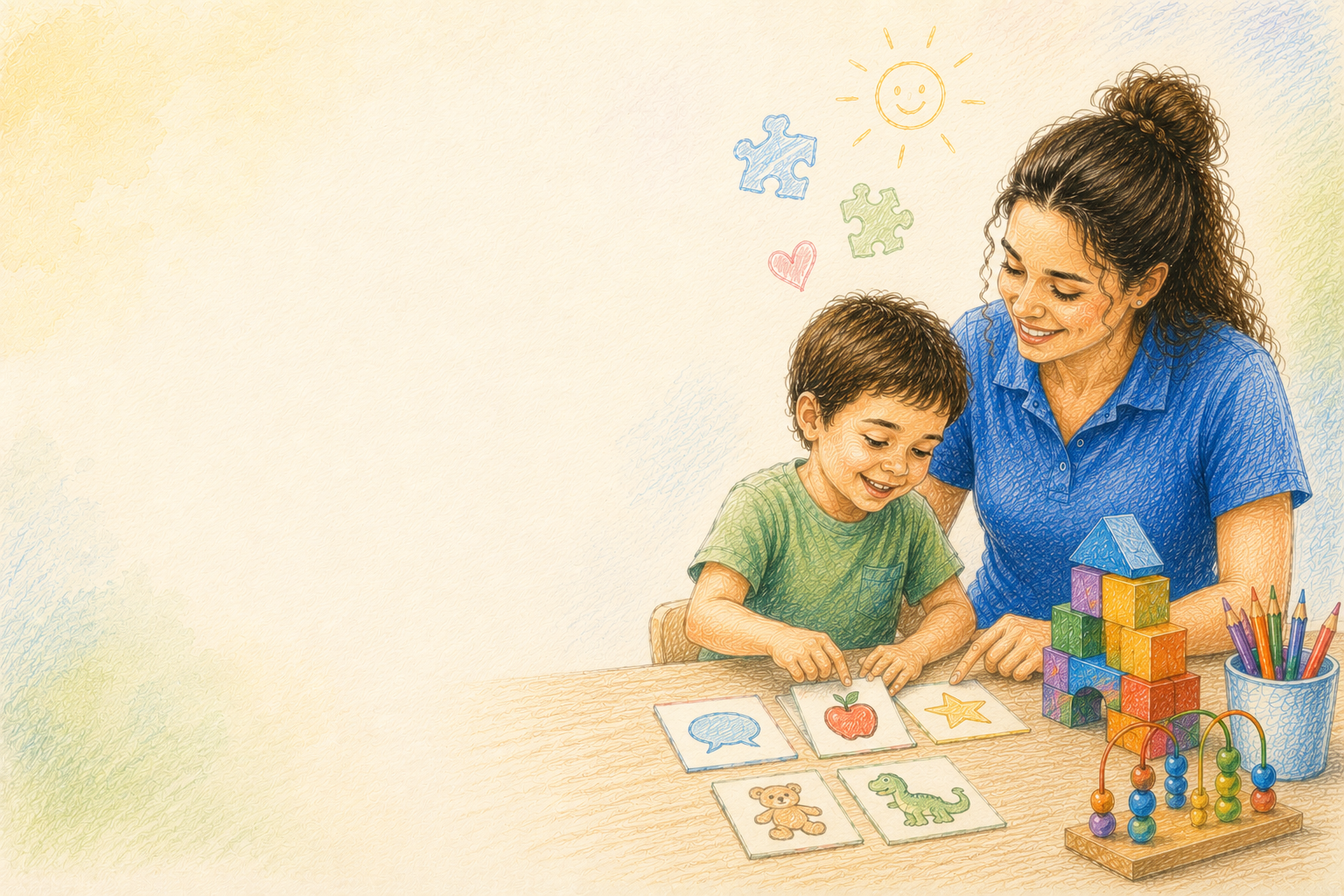
Every Child Has Potential
Helping Children Thrive
with ABA Therapy
Personalized ABA therapy helping children build
essential skills while supporting families every
step of the way.
Proudly serving families throughout Miami-Dade County.
In-Home • School-Based • Office-Based ABA Therapy
Most Major Insurances Accepted
OUR SERVICES
How Applied Behavior Analysis (ABA) Can Help Your Child
Applied Behavior Analysis (ABA) is a research-based therapy that helps children develop meaningful skills, build independence, and reach their full potential. Through individualized ABA programs, children learn communication, social, emotional, and daily living skills that support success at home, in school, and in the community.
Applied Behavior Analysis uses evidence-based teaching strategies and positive reinforcement to help children learn new skills, increase independence, and build confidence. Every ABA therapy program is personalized to the unique strengths, needs, and goals of each child.
Through Applied Behavior Analysis (ABA), children can improve communication skills, social interactions, emotional regulation, adaptive behavior, and other important developmental areas that contribute to lifelong learning and success.
Areas We Support
Every child is unique. Our Applied Behavior Analysis (ABA) services focus on the skills that are most meaningful for each child and family. Below are some of the areas we commonly support through individualized ABA therapy.

Communication Skills
Communication is an important part of everyday life. Through Applied Behavior Analysis (ABA) therapy, we help children learn how to express their needs, share their thoughts, ask for help, and connect with others in meaningful ways.
Skills We Support
• Requesting wants and needs
• Expressing thoughts and feelings
• Following directions
• Conversational skills
• Functional communication
Social Skills
Positive social interactions help children build friendships, participate in group activities, and feel connected to others. Through Applied Behavior Analysis (ABA), we help children learn important social skills such as sharing, taking turns, following social cues, and engaging in meaningful conversations.
Skills We Support
• Sharing and turn-taking
• Following social cues
• Building friendships
• Group participation
• Meaningful conversations

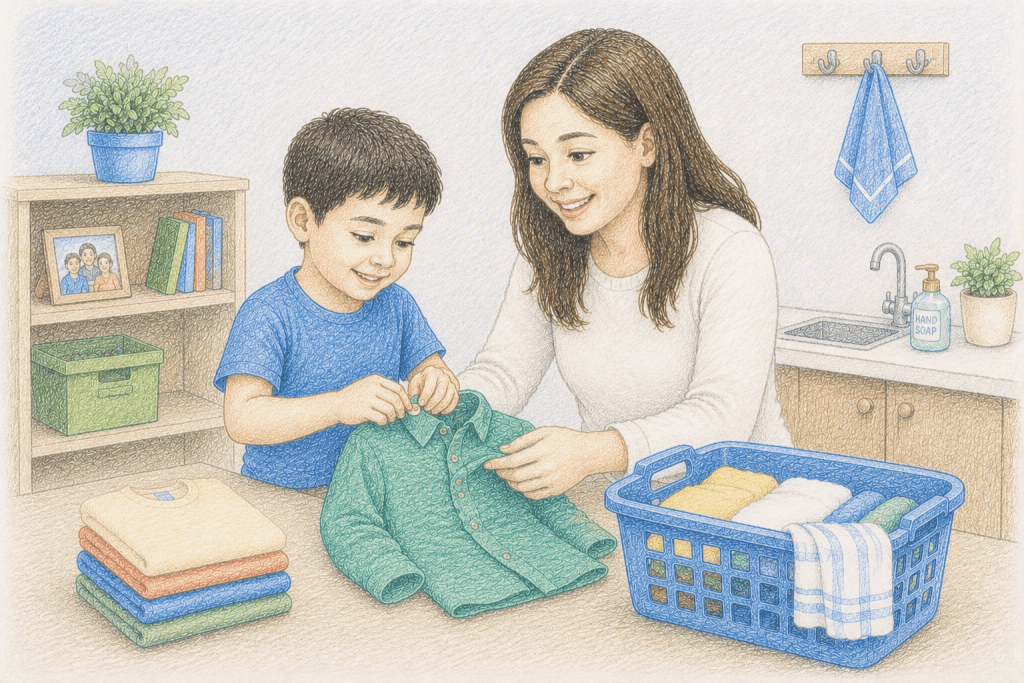
Daily Living Skills
Daily living skills are essential for building independence and confidence in everyday life. Through Applied Behavior Analysis (ABA) therapy, we help children develop important self-care and adaptive skills such as dressing, brushing teeth, washing hands, eating independently, and following daily routines and schedules.
Skills We Support
• Toileting
• Dressing
• Personal hygiene
• Mealtime routines
• Household participation
School Readiness
School readiness skills help children build the confidence and independence they need to succeed in the classroom. Through Applied Behavior Analysis (ABA) therapy, we help children develop important skills such as following directions, staying focused, participating in group activities, completing tasks, and establishing early learning routines.
Skills We Support
• Following classroom routines
• Listening and following directions
• Participating in group activities
• Transitioning between activities
• Building independence in the classroom


Emotional Regulation
Emotional regulation helps children understand, express, and manage their feelings in healthy ways. Through Applied Behavior Analysis (ABA) therapy, we help children recognize emotions, cope with frustration, adapt to changes in routine, and develop calming strategies that support success at home, in school, and in the community.
Skills We Support
• Identifying and expressing emotions
• Using coping and calming strategies
• Managing frustration appropriately
• Developing self-regulation skills
• Building flexibility during daily routines
Behavior Support
Behavior is a form of communication. Through Applied Behavior Analysis (ABA) therapy, we help children develop positive skills that support success at home, in school, and in the community. By understanding the reasons behind challenging behaviors, we teach effective communication, self-regulation, flexibility, and other skills that help children navigate everyday situations with greater confidence and independence.
Skills We Support
• Following directions and expectations
• Developing positive replacement behaviors
• Improving attention and task engagement
• Building flexibility during daily routines
• Strengthening problem-solving skills

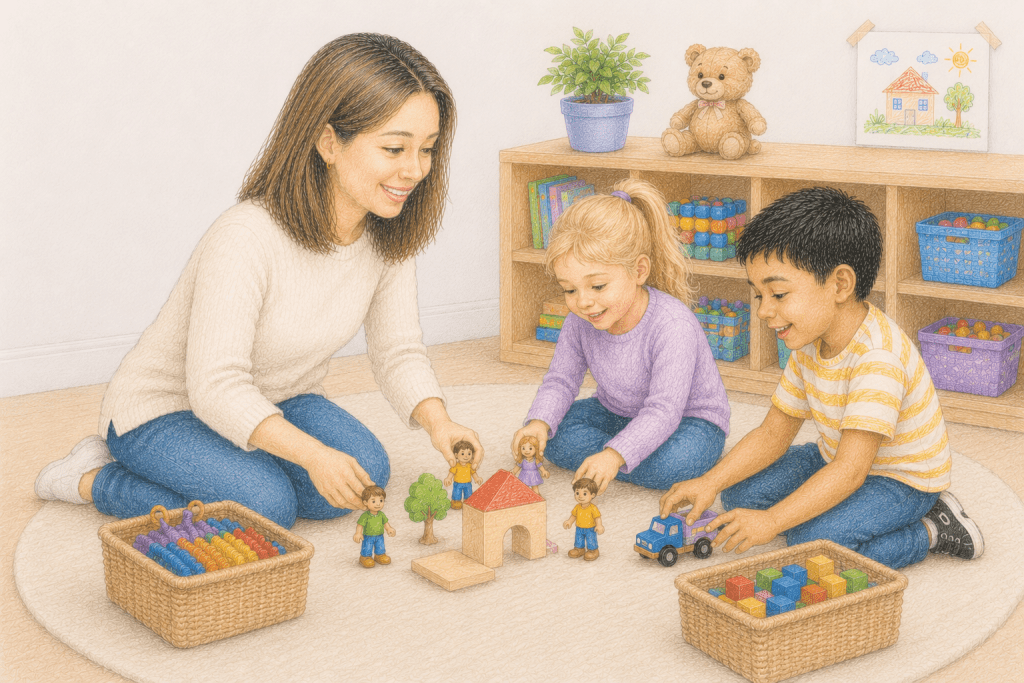
Play Skills
Play is an important part of how children learn, explore, and connect with others. Through Applied Behavior Analysis (ABA) therapy, we help children develop play skills such as sharing, taking turns, using imagination, participating in games, and engaging appropriately with peers during play activities.
Skills We Support
• Engaging in independent play
• Participating in cooperative play
• Taking turns during activities
• Using imagination and pretend play
• Playing appropriately with peers
Community Skills
Community skills help children participate more confidently and independently in everyday activities outside the home. Through Applied Behavior Analysis (ABA) therapy, we support skills such as following directions in public places, waiting appropriately, staying safe, interacting with others, and navigating community settings like parks, stores, restaurants, and libraries.
Skills We Support
• Following safety rules in public places
• Staying with caregivers during community outings
• Waiting in lines and taking turns
• Communicating needs in public settings
• Building independence during everyday community activities


Parent Training
Parents play an important role in their child’s development. Through Applied Behavior Analysis (ABA) therapy, we partner with families to provide guidance, support, and practical strategies that can be used during everyday routines at home and in the community.
Skills We Support
• Understanding ABA strategies at home
• Supporting communication and daily routines
• Responding to challenging behaviors
• Using reinforcement effectively
• Building consistency across home and community